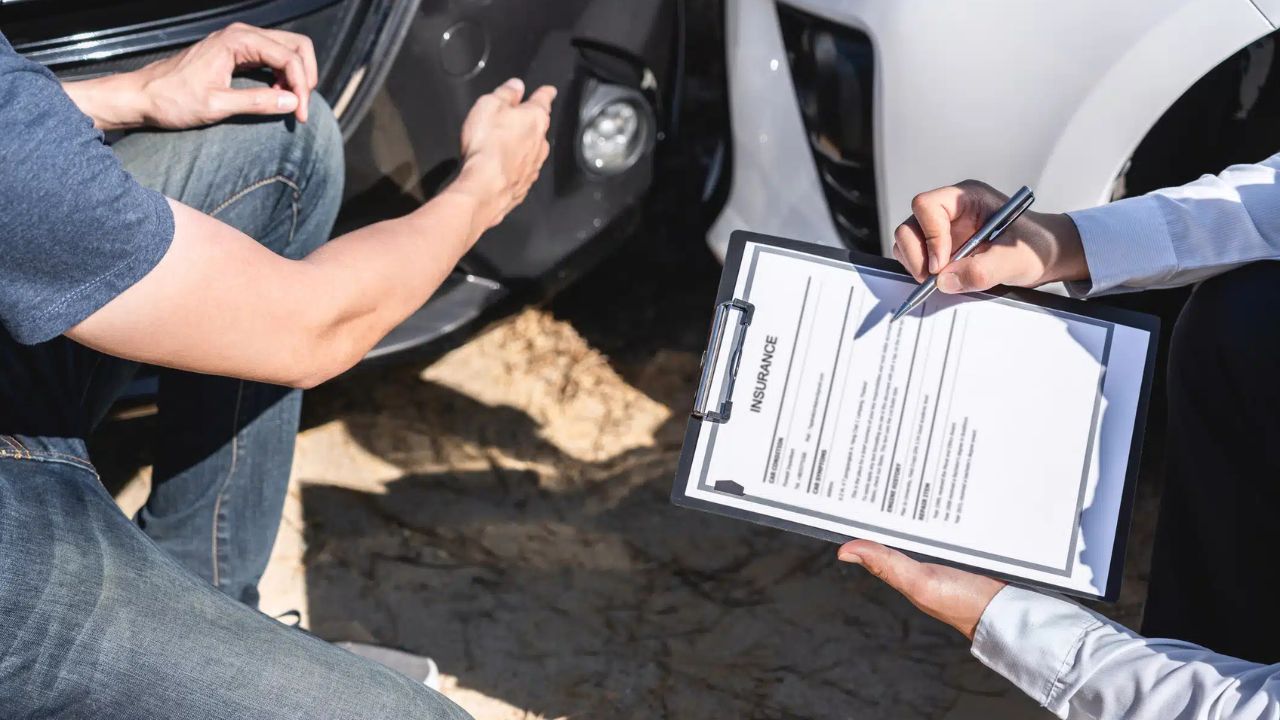

An insurance settlement negotiation is the process of discussing compensation with an insurance company after filing a claim. Whether the claim involves a car accident, property damage, or another insured event, the insurer usually proposes an initial settlement amount. However, that first offer is often negotiable.
Therefore, understanding how settlement negotiations work can help you secure a fair payout and avoid accepting less than you deserve.
What Is an Insurance Settlement Negotiation?
An insurance settlement negotiation occurs when a policyholder or claimant negotiates with an insurance company to reach an agreement on the value of a claim. Typically, the insurer evaluates the damage, reviews the policy terms, and then presents a settlement offer.
However, that first offer may not fully cover all damages or losses. Consequently, negotiations may continue until both parties agree on a final payment amount.
This process is common in situations such as:
- Car accident claims
- Property damage claims
- Personal injury claims
- Liability claims
Therefore, negotiation plays a crucial role in determining the final compensation.
Why Insurance Companies Start With Low Settlement Offers
Insurance companies aim to control claim costs. As a result, the initial settlement offer may be lower than the full value of the claim.
Several factors explain this strategy:
- Insurers expect some claimants to accept the first offer
- Adjusters may estimate damages conservatively
- Some costs may not yet be fully documented
- Negotiation is considered part of the claims process
Therefore, accepting the first offer without review may result in losing potential compensation.
Steps in an Insurance Settlement Negotiation
Understanding the negotiation process can make discussions with the insurer more effective.
Review the Insurance Adjuster’s Offer
First, carefully analyze the insurer’s settlement offer. Check whether the proposed payment covers:
- Repair costs
- Medical expenses
- Lost income
- Property damage
If certain losses are missing, you may need to request adjustments.
Gather Strong Supporting Evidence
Successful insurance settlement negotiation depends heavily on documentation. Therefore, collect all relevant evidence related to your claim.
Important documents may include:
- Repair estimates
- Medical bills
- Police reports
- Photos of the damage
- Witness statements
Strong evidence helps justify a higher settlement amount.
Calculate the Full Value of Your Claim
Before negotiating, determine the total cost of your losses. This calculation may include:
- Immediate expenses
- Future repair costs
- Medical treatments
- Lost wages
As a result, you can negotiate from a well-supported position.
Submit a Counteroffer
If the insurer’s offer is too low, you can submit a counteroffer explaining why a higher settlement is justified. Typically, this includes:
- A detailed explanation of damages
- Supporting documents
- A revised settlement amount
Therefore, presenting clear reasoning improves your chances of success.
Continue Negotiating Until an Agreement Is Reached
Settlement negotiations often involve several rounds of offers and counteroffers. However, patience is important during this stage.
Eventually, both parties may reach a mutually acceptable agreement.
Common Mistakes During Insurance Settlement Negotiations
Many claimants weaken their negotiating position by making avoidable mistakes.
Accepting the First Offer Too Quickly
Some people accept the first offer simply to resolve the claim quickly. However, insurers often expect negotiation.
Therefore, reviewing the offer carefully before accepting it is essential.
Providing Recorded Statements Without Preparation
Insurance adjusters sometimes request recorded statements. Although cooperation is important, providing detailed statements without preparation may lead to misunderstandings.
Consequently, it is wise to review the facts of the claim before giving formal statements.
Failing to Document All Damages
If you fail to include certain damages in your claim, the insurer may not consider them during settlement negotiations.
Therefore, documenting every expense related to the incident is critical.
How Long Insurance Settlement Negotiations Take
The duration of an insurance settlement negotiation varies depending on the complexity of the claim.
Simple claims may resolve within a few weeks. However, more complex claims involving injuries or large financial losses may take several months.
In many cases, negotiations continue until both sides reach a satisfactory agreement.
When to Consider Legal Assistance
Some insurance claims become difficult to resolve through negotiation alone. In these situations, consulting a legal professional may be helpful.
For example, legal assistance may be beneficial if:
- The insurer refuses to negotiate fairly
- The claim involves significant financial losses
- Liability is disputed
Consequently, legal guidance may help protect your interests during negotiations.
Conclusion
An insurance settlement negotiation allows claimants to challenge low offers and pursue fair compensation. Although insurance companies often begin with conservative settlement proposals, strong documentation and clear communication can improve the final outcome. By understanding the negotiation process, gathering solid evidence, and responding strategically, policyholders can significantly increase the chances of receiving a fair insurance settlement.