
Credit Score Late Payment Effect. A late payment is one of the most damaging events in a credit profile. Because payment history carries the highest weight in most credit scoring models, even a single delinquency can cause a noticeable drop—especially if the score was previously strong.
Below is a precise breakdown of how late payments affect your credit score, how long the damage lasts, and how to minimize the impact.
When Is a Payment Considered “Late”?
Creditors typically report late payments to credit bureaus once an account becomes 30 days past due. Payments that are a few days late usually incur fees but are not reported.
Late payment categories:
- 30 days late
- 60 days late
- 90 days late
- 120+ days late
- Charge-off status
The severity increases with each tier.
How Much Does a Late Payment Lower Your Credit Score?
The impact depends on your starting score and overall credit profile.
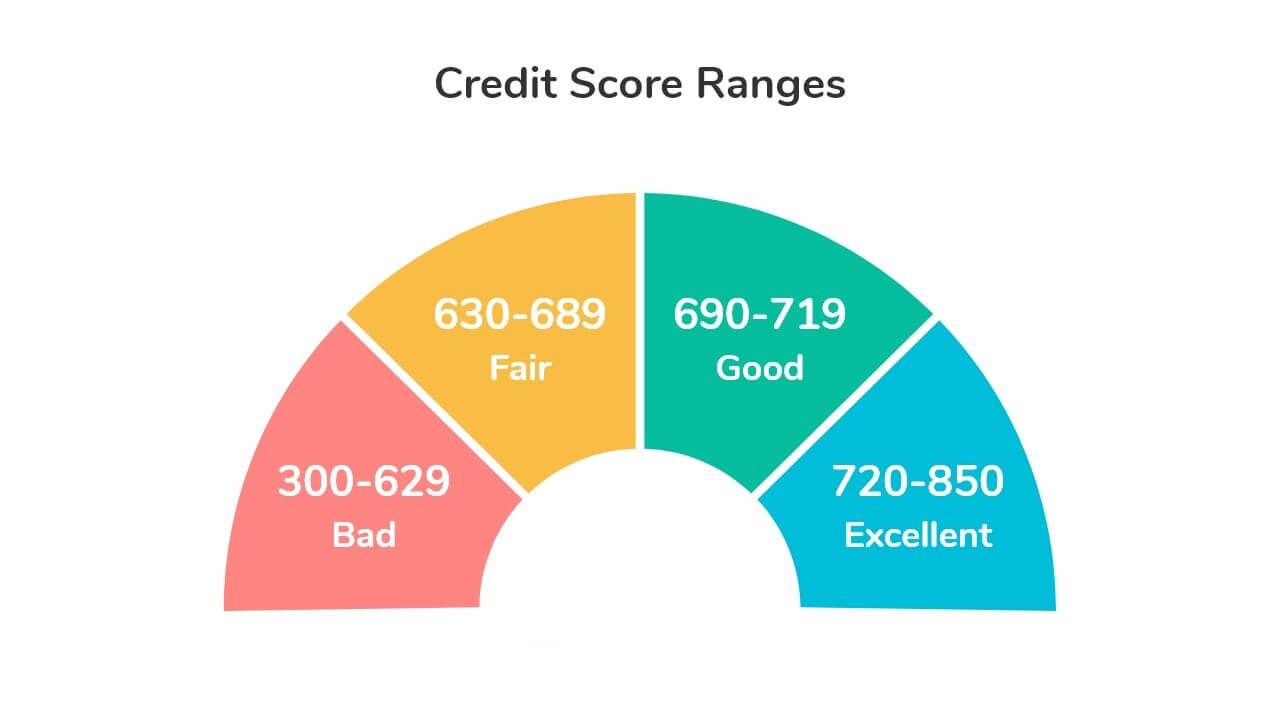
- Excellent credit (720+) → May drop 60–110+ points
- Good credit (680–719) → Moderate to major drop
- Fair or poor credit → Smaller numerical drop, but profile damage increases
Ironically, higher scores often fall harder because there is more positive history to lose.
Why Late Payments Hurt So Much
Payment history is the most influential scoring factor. A late payment signals elevated lending risk because it demonstrates failure to meet contractual obligations.
Credit scoring models evaluate:
- Frequency of late payments
- Recency of delinquency
- Severity (30 vs. 90 days late)
- Overall account status
Recent and severe delinquencies weigh the most.
How Long Does a Late Payment Stay on Your Credit Report?
A reported late payment can remain on your credit report for up to 7 years from the original delinquency date.
However, its impact decreases over time:
- First 12 months → Highest scoring impact
- 12–24 months → Gradual recovery with positive behavior
- After 2+ years → Significantly less influence
Consistent on-time payments accelerate score recovery.
30 vs. 60 vs. 90 Days Late: Impact Differences
- 30 Days Late: Significant but recoverable with strong follow-up behavior.
- 60 Days Late: Stronger red flag; signals deeper financial strain.
- 90+ Days Late: Major risk indicator; may trigger collections or charge-off.
Severity compounds the damage.
Does Paying the Late Balance Remove the Damage?
Paying the account brings it to “current” status, which prevents further damage—but it does not remove the late payment history.
The record remains visible unless:
- It was reported inaccurately (eligible for dispute).
- The creditor agrees to a goodwill adjustment.
How to Reduce the Impact of a Late Payment
1. Bring the Account Current Immediately
Stopping the delinquency prevents additional damage.
2. Request a Goodwill Adjustment
If you have strong prior payment history, contact the creditor and request removal as a courtesy.
3. Add Positive Credit Activity
Open or maintain accounts that report consistent on-time payments.
4. Keep Utilization Extremely Low
Under 10% utilization can help offset negative history.
5. Avoid Additional Late Payments
One late payment can be managed. Multiple delinquencies compound risk significantly.
How Fast Can Your Credit Score Recover?
Recovery depends on profile strength:
- Strong profile + single 30-day late → Noticeable rebound within 6–12 months
- Multiple late payments → 12–24+ months of disciplined behavior
- Severe delinquencies → Multi-year rebuilding timeline
Credit scoring models reward consistent positive patterns over time.
Will One Late Payment Ruin Your Credit?
No single late payment permanently ruins credit. However, it can:
- Reduce approval odds for new credit
- Increase interest rates on future loans
- Lower credit limits
- Affect mortgage underwriting decisions
The key factor is what happens next.
Mistakes That Make Late Payment Damage Worse
- Ignoring the account after missing one payment
- Allowing it to escalate to 60 or 90 days late
- Closing the account immediately
- Applying for new credit impulsively
Stability after the event is critical.
Final Perspective
The credit score late payment effect is immediate and measurable, but not permanent. Payment history carries significant weight, yet consistent on-time behavior, low utilization, and disciplined credit management gradually restore strength. The faster the delinquency is corrected and followed by stability, the quicker recovery begins.