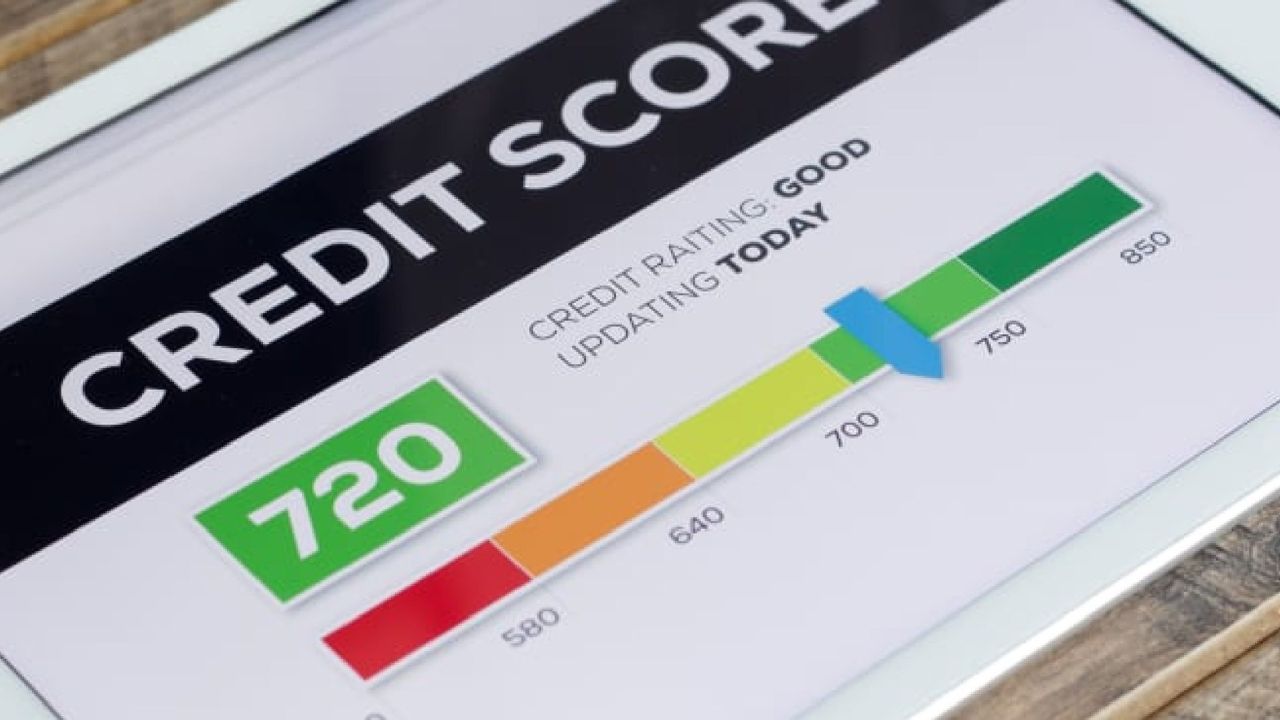
Credit Score Dropped After Payment. Seeing your credit score drop after making a payment feels counterintuitive. You paid down debt—so why did your score decrease? The answer lies in how credit reporting cycles, utilization ratios, and scoring algorithms operate.
Below is a precise breakdown of the most common reasons your credit score dropped after a payment—and what to do next.
1. Your Payment Hasn’t Been Reported Yet – Credit Score Dropped After Payment
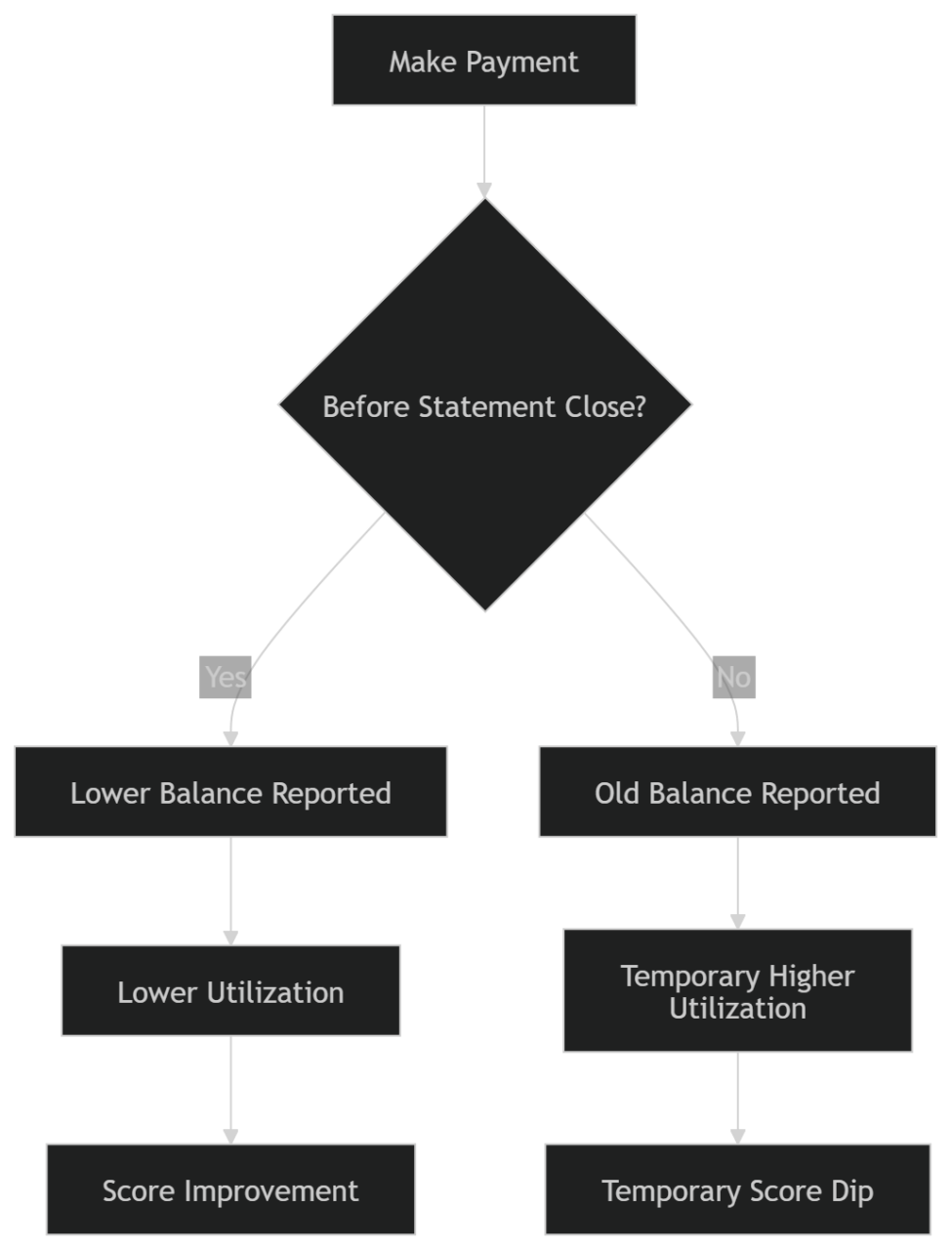
Credit card issuers typically report balances to credit bureaus once per month—often on the statement closing date, not the payment date.
If you made a payment after the statement closed:
- The higher balance may already have been reported.
- Your lower balance will not appear until the next reporting cycle.
What to Do:
Wait for the next statement cycle. Scores often rebound once the updated balance is reported.
2. Your Account Reported as “Paid Off” (Zero Balance Penalty)
Surprisingly, reporting a $0 balance on all credit cards can cause a small temporary score dip.
Scoring models prefer to see:
- Active revolving credit usage
- Very low utilization (1–5%)
When all cards report zero usage, some models interpret this as inactivity.
Fix:
Allow one card to report a small balance (1–3% utilization), then pay it off after the statement posts.
3. Credit Utilization Was Still High When Reported
Even after making a payment, if your reported balance remains above 30%, your score may still reflect elevated risk.
Example:
- $5,000 limit
- Paid from $4,500 down to $2,000
- Utilization = 40%
While improved, 40% is still high enough to suppress scoring.
Target:
- Under 30% for acceptable impact
- Under 10% for strong score gains
4. Another Account Changed Simultaneously – Credit Score Dropped After Payment
Credit scores update based on your entire profile—not one account.
Your score may have dropped because:
- Another credit card reported a higher balance
- A loan balance update shifted your credit mix
- A hard inquiry was added
- An old account aged off your report
Always review your full credit report before assuming the payment caused the drop.
5. Closed Account After Payoff
If you paid off and closed a credit card:
- Total available credit decreases
- Utilization ratio may rise
- Average account age may decline over time
This can result in a temporary or moderate drop.
Solution:
Keep older no-annual-fee cards open whenever possible.
6. Installment Loan Balance Thresholds
If you paid down a loan (auto, personal, student), crossing certain percentage thresholds can temporarily shift scoring calculations.
For example:
- Moving from 11% to 9% remaining balance may adjust scoring weight differently than expected.
Installment loan scoring works differently from revolving credit scoring.
7. Score Model Fluctuations
Different scoring models react differently to payments:
- FICO® vs. VantageScore®
- Auto loan score vs. credit card score
A drop in one model does not necessarily reflect long-term damage.
How Credit Reporting Timing Works – Credit Score Dropped After Payment
How Long Does the Drop Last?
In most cases:
- 7–30 days if due to reporting cycle
- 1–2 months if utilization remains elevated
- Longer if tied to account closure or inquiries
Temporary drops are common and often self-correct.
Immediate Steps to Stabilize Your Score
- Check your credit report for updated balances.
- Confirm the statement closing date.
- Reduce utilization below 10%.
- Avoid new credit applications.
- Keep at least one small balance reporting.
- Ensure no late payment was mistakenly recorded.
Precision monitoring prevents unnecessary concern.
When to Be Concerned
Investigate further if:
- A late payment was incorrectly reported.
- An account shows delinquent status.
- A significant drop (50+ points) occurred unexpectedly.
- Identity theft is suspected.
Dispute inaccuracies immediately with the credit bureau.
Final Insight – Credit Score Dropped After Payment
A credit score drop after a payment is usually a timing or utilization issue—not a punishment for responsible behavior. Credit scoring systems operate on reported data cycles, not real-time transactions. With proper balance management and awareness of statement dates, temporary dips can be avoided and reversed efficiently.